Oregon Coast Winter Activities: Storm Watching, Whale Watching & More from Gearhart
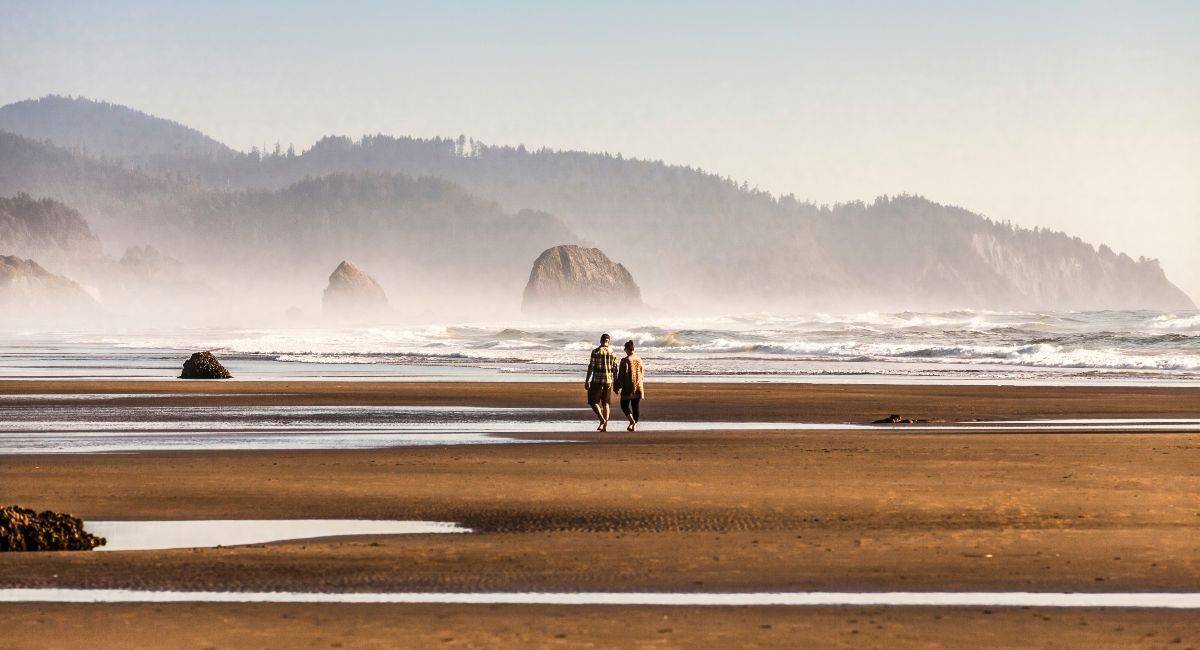
Winter on the Oregon coast is not the off-season, it is a different season entirely. Between November and February, the coastline trades beach towels for binoculars, and the main attractions shift from sunbathing to storm watching, whale spotting, and hunting for agates churned up by winter swells.
Here is what winter delivers on the north Oregon coast:
- Storm watching peaks December through February, with waves reaching 20–30 feet at exposed headlands
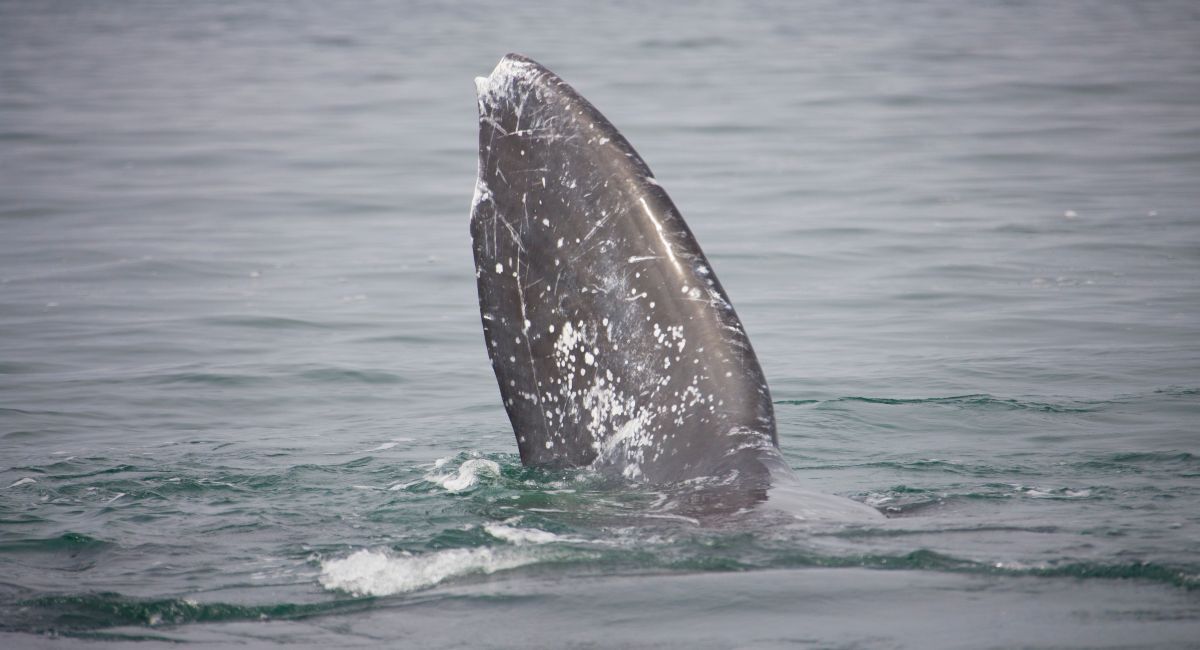
- Gray whale migration sends an estimated 16,000 to 20,000 whales past the coast from mid-December through mid-January
- King tides hit in late November, late December, and late January — creating dramatic wave action at jetties and rocky shores
- Vacation rental rates drop from summer highs, and the beaches are yours
- Gearhart sits 90 minutes from Portland on the quieter north coast, close to Cannon Beach and Astoria, without the peak-season traffic
The rest of this guide breaks winter down month by month — what is happening on the coast, what to do, and what to bring.
Why Visit the Oregon Coast in Winter?
The Oregon coast in winter trades crowded summer beaches for dramatic storms, migrating whales, and rates that drop significantly from peak season. Gearhart puts you 90 minutes from Portland on the quieter north coast — close to Cannon Beach and Astoria without the summer traffic.
We hear it every fall — guests call asking whether winter is really worth the trip. The short answer: the coast does not shut down in winter. It shifts gears. Summer is about lounging on the sand. Winter is about watching the Pacific do its thing from a warm condo with a fireplace, then heading out when conditions line up for whale watching, beachcombing, or a low-tide hike to see tide pools that are underwater all summer. (For a full rundown of what Gearhart offers year-round, see our activities page.)
A few practical reasons to book a winter trip:
Lower rates and availability. Winter rates on north coast vacation rentals are noticeably lower than July and August. You will also have an easier time booking the specific unit you want — especially the ocean-facing condos with fireplaces that sell out months ahead in summer.
Fewer crowds. Cannon Beach on a Saturday in August can feel like a parking lot. The same beach in January belongs mostly to birders, beachcombers, and photographers.
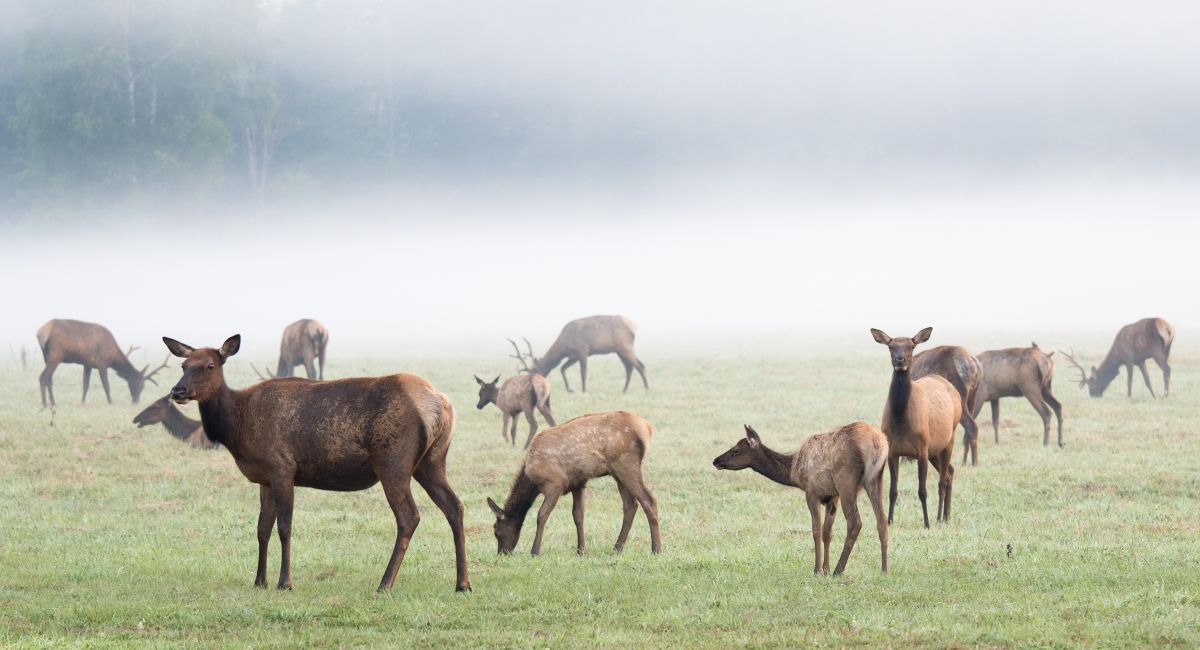
Better wildlife. Gray whales migrate south past the Oregon coast from mid-December through mid-January. Harbor seals haul out on beaches. Bald eagles and peregrine falcons work the estuaries. If wildlife watching is your thing, winter is the better season.
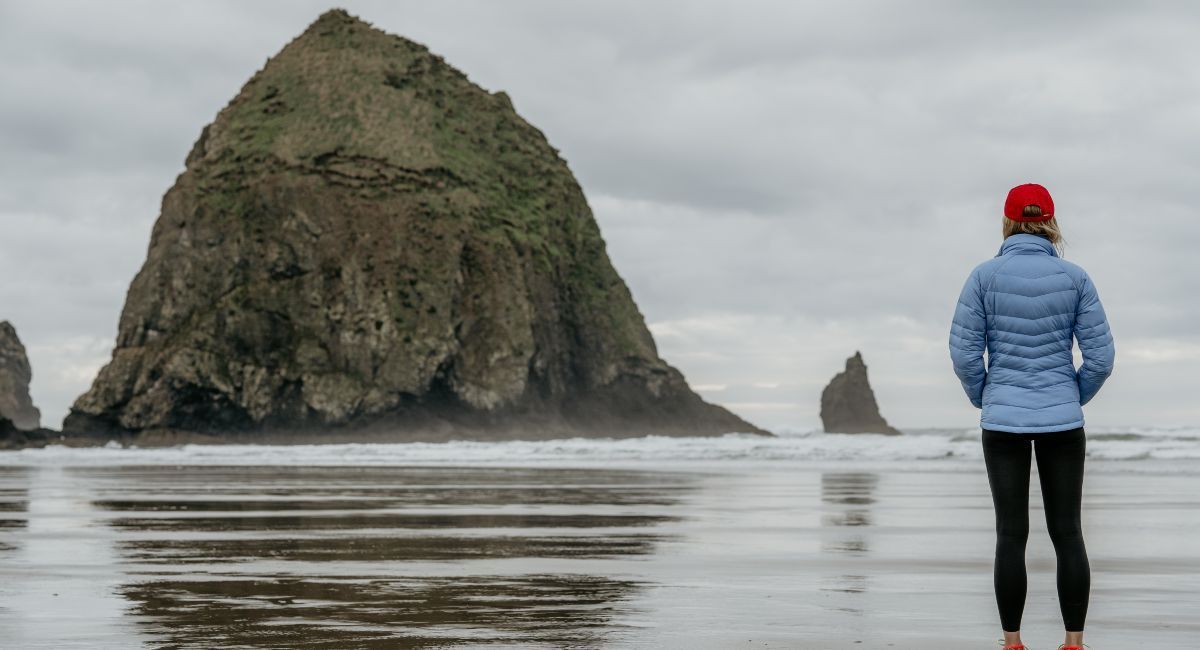
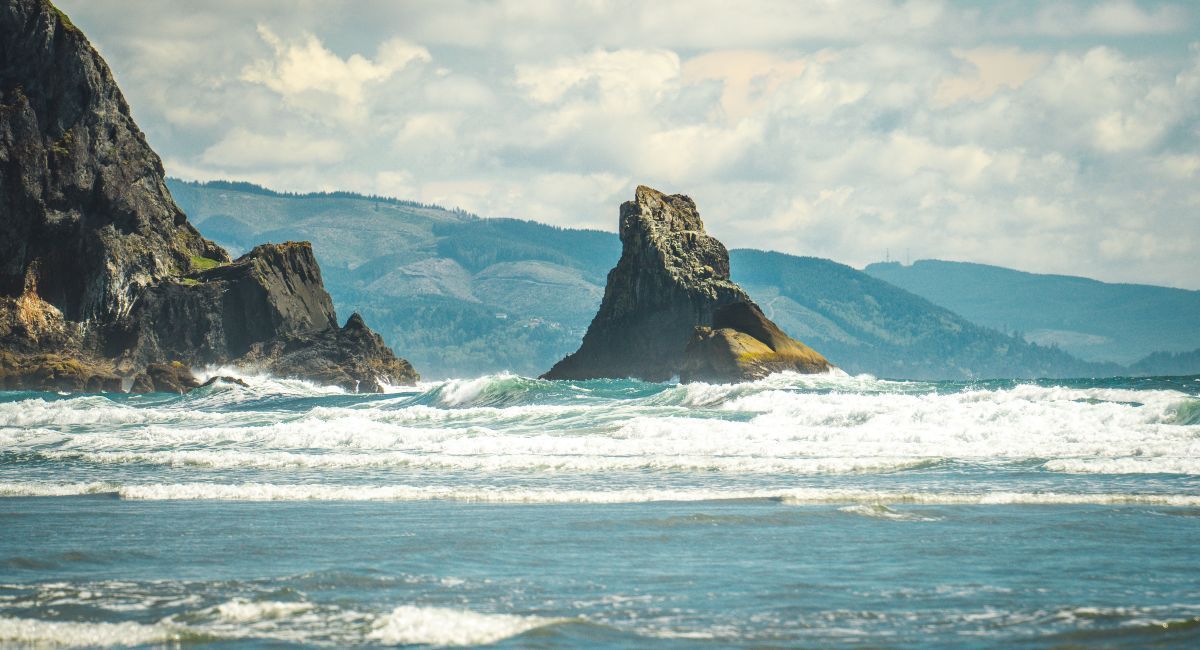
Storm drama. There is no polite way to say this: Oregon coast winter storms are genuinely spectacular. Twenty-foot swells hitting sea stacks at Ecola State Park during a winter gale are as cinematic as the Pacific Northwest gets.
Things to Do on the Oregon Coast in December
December kicks off storm season and brings the first southbound gray whales past the coast. Holiday events light up coastal towns, and the season's first king tides create massive wave action at jetties and headlands.
Holiday Events on the North Coast
Coastal towns between Gearhart and Cannon Beach put on small-scale holiday events through December. Cannon Beach typically hosts a tree lighting and holiday celebration in early December — check with the Cannon Beach Chamber for exact dates. Seaside's holiday market and the Astoria Regatta holiday events are worth a day trip.
These are not Las Vegas–scale productions. They are small-town coastal holiday events with local charm, hot cider, and parking that actually exists.
Early Storm Watching
December marks the start of serious storm season. Pacific storms begin rolling in from the Gulf of Alaska, and the north coast catches them head-on. You do not need a historic storm to get a good show — a standard December frontal system can push wave heights to 15–20 feet at exposed headlands.
Best north coast storm watching spots within easy reach of Gearhart:
- Ecola State Park (20 minutes south) — elevated viewpoints above Indian Beach and Crescent Beach offer front-row seats to incoming swells
- Tillamook Head Trail — the trail between Seaside and Cannon Beach climbs to viewpoints above the surf line
- Seaside Promenade — the 1.5-mile prom puts you right at ocean level; dramatic when surf is up, but keep your distance from the water
In our experience, the condos with west-facing windows sell out first once storm season starts — guests want to watch the weather roll in from bed.
King Tides (Late November into Early December)
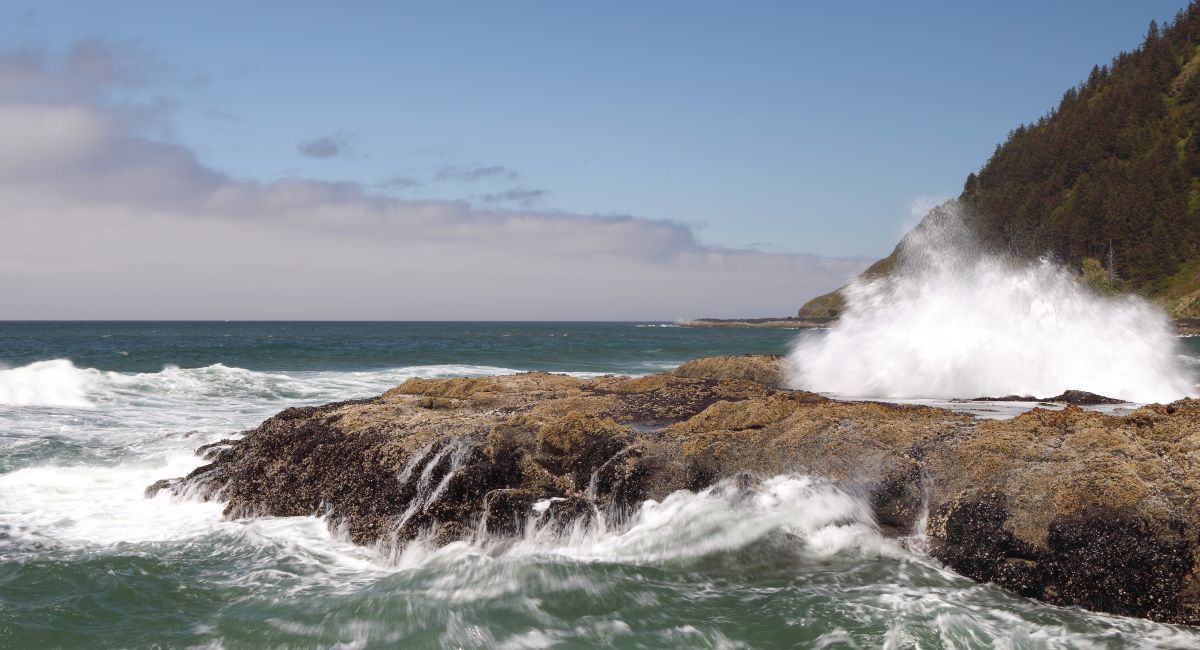
The 2026–2027 king tide season opens November 23–27, with a second round December 22–26. King tides are the highest tides of the year, driven by the moon's closest approach to Earth combined with the sun-moon alignment. They push seawater well above normal high-tide marks and create dramatic wave action at jetties, rocky headlands, and the South Jetty at Fort Stevens State Park (a 15-minute drive north of Gearhart).
The
Oregon King Tides Project encourages visitors to photograph king tide effects — your photos contribute to coastal flood-risk research.
Safety note: King tides combined with storm swells are dangerous. Stay well above the high-water mark. Sneaker waves — unusually large waves that arrive without warning — are responsible for fatalities on the Oregon coast every year.
Early Whale Migration
The first southbound gray whales typically pass the north Oregon coast by mid- to late December. You may spot spouts from elevated viewpoints — Ecola State Park and Tillamook Head are among the best spots on the north coast. Binoculars help, but on clear days, you can see spouts with the naked eye from the right angle.
Dungeness Crab Season
Oregon's commercial Dungeness crab season typically opens in December (exact dates vary by year and depend on meat-fill testing by ODFW). Fresh Dungeness crab shows up at fish markets in Astoria, Seaside, and Warrenton once the season opens. If you are staying in a condo with a full kitchen — which every Gearhart unit has — buying a whole cooked crab from a local market and cracking it at the dining table is one of the best winter coast meals you can have.
Things to Do on the Oregon Coast in January
January is peak whale watching. Thousands of gray whales pass the Oregon coast heading to Baja California, and Oregon State Parks runs its winter Whale Watch Week with trained volunteers at designated viewpoints along the coast.
Whale Watching — Peak Season
An estimated 16,000 to 20,000 gray whales migrate past the Oregon coast each year, according to
NOAA Fisheries population surveys. The southbound migration peaks from mid-December through mid-January, making late December and January the best window for spotting them from shore. For a deeper look at where and when to spot whales near Gearhart, see our
complete whale watching guide.
Oregon State Parks organizes Whale Watch Week in late December (typically the week between Christmas and New Year's) with trained volunteers stationed at around 15 viewpoints along the coast. The volunteers carry spotting scopes and know exactly where to look. It is the single easiest way to see whales from shore if you have never done it.
North coast viewpoints for whale watching near Gearhart:
- Ecola State Park — the overlooks at Ecola Point and Indian Beach catch whales moving south along the coastline
- Tillamook Head — high elevation gives a wide viewing arc
- Clark's Point of View (Cannon Beach) — a shorter walk to an elevated viewpoint
Renters who have done a January whale-watching weekend tend to rebook the same week the following year — the combination of whales, winter storms, and empty beaches hits a specific kind of traveler.
King Tides — Third Round
The final king tide window of the 2026–2027 season runs January 20–24, 2027. If you missed the November and December rounds, this is your last chance until the following fall. The South Jetty at Fort Stevens and the Seaside Promenade are both accessible viewpoints for king tide watching near Gearhart.
Razor Clamming
Winter is prime razor clamming season on the north Oregon coast. Low tides in January often expose the packed sand where razor clams burrow. Clatsop Beach — the stretch of sand from Gearhart north to Fort Stevens — is one of the most productive razor clamming beaches in Oregon.
You will need a valid Oregon shellfish license (available online from
ODFW or at local sporting goods stores) and a clam gun or clam shovel. Check ODFW's
razor clam page before heading out — they close beaches when domoic acid levels exceed safe limits. Our
clam digging guide covers gear, technique, and the best Gearhart beaches in detail.
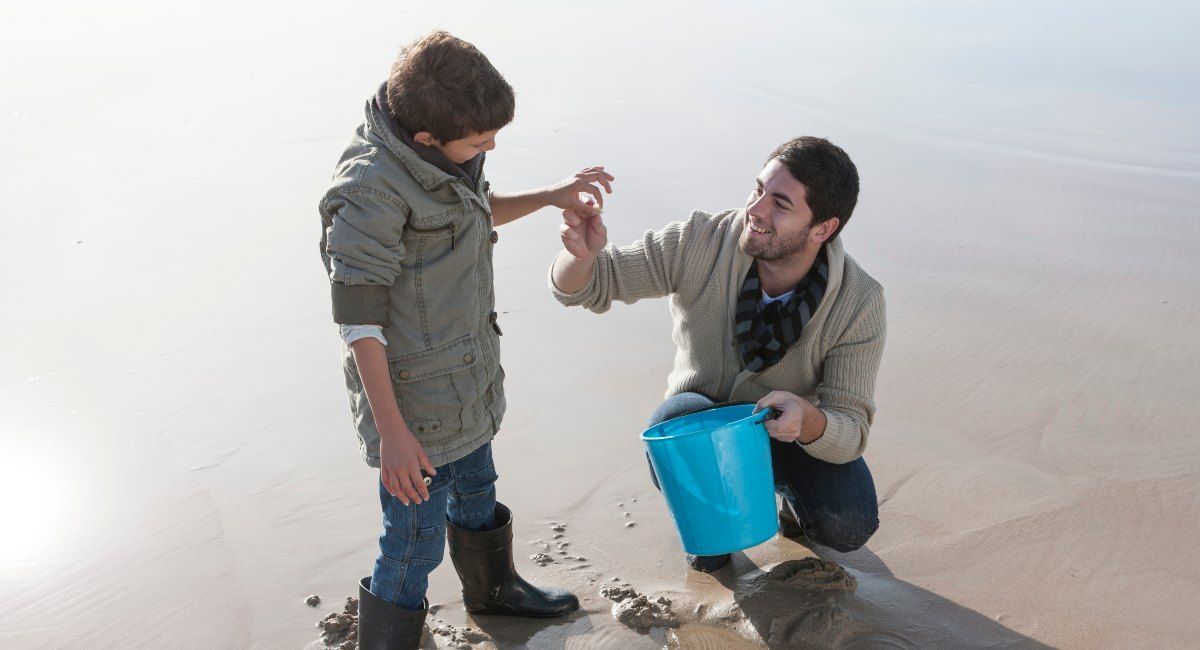
If you have never clamming, January's low tides combined with fewer crowds make it the best month to learn. Several local outfitters offer guided trips, and the technique is straightforward once someone shows you the "dimple" to look for in the wet sand.
Rainy-Day Indoor Options
January is the wettest month on the north Oregon coast, averaging around 10 inches of rain. When a full day of rain pins you indoors, a few options within easy reach of Gearhart:
- Seaside Aquarium (10 minutes south) — small, privately owned, open daily at 9 a.m. year-round (call 503-738-6211 for winter closing times). The touch tanks and harbor seal feeding are worth an hour.
- Flavel House Museum in Astoria (20 minutes north) — a Victorian-era mansion turned museum with views of the Columbia River
- Astoria Column — the 125-foot column is a short drive from Gearhart and offers panoramic views on clear days between rain bands
- Fort George Brewery in Astoria — local craft brewery with a full food menu; a solid rainy-afternoon stop
Things to Do on the Oregon Coast in February
February delivers the coast's most intense storms and the best agate hunting of the year. Winter swells churn agates and jasper out of gravel beds onto accessible beaches, and birding picks up at coastal estuaries as early spring migrants arrive.
Storm Watching — Peak Intensity
February typically produces the largest storm events of the winter season. Pacific storms track directly into the north Oregon coast, and wave heights at exposed headlands can exceed 25 feet during major events. The National Weather Service issues high-surf advisories when dangerous conditions develop — check weather.gov before heading to the coast.
The same viewpoints that work for December and January storm watching — Ecola State Park, Tillamook Head, Seaside Promenade — are at their most dramatic in February. Bring rain gear and patience; the best storm-watching moments often come right after a front passes, when the sky breaks open, and the remaining swell is still running.
Agate Hunting
February is the best month for agate hunting on the north Oregon coast. Weeks of winter storms churn gravel and expose agate deposits that were buried under sand all summer. The trick is timing your beach walk to a minus tide the day after a storm — that is when the freshest material is exposed, and the competition from other collectors is lowest.
Beaches between Gearhart and Cannon Beach produce agates, jasper, and occasionally petrified wood. Look for translucent stones with a waxy sheen in the wet gravel near the high-tide line. Early morning light makes agates easier to spot — they glow slightly when wet.
Birding at the Necanicum Estuary
The Necanicum Estuary in Seaside (10 minutes from Gearhart) is a productive birding spot in February. Wintering shorebirds — dunlins, sanderlings, long-billed dowitchers — feed on the mudflats, and early spring arrivals begin showing up by late February. The estuary is also home to great blue herons, bald eagles, and the occasional peregrine falcon.
Bring binoculars and rubber boots. The viewing areas along the estuary are informal but accessible from several points along the Seaside waterfront.
Romantic Off-Season Getaway
February's Valentine's Day timing, combined with winter rates and empty beaches, makes the north Oregon coast a strong option for a low-key romantic getaway. Storm watching from a condo with a fireplace, fresh crab from a local market, and a sunset walk on a beach with no one else on it — that is the pitch.
Gearhart's condos with fireplaces and full kitchens work well for this. You do not need to fight for restaurant reservations or deal with resort-scale prices. Cook in, watch the storm, and save the dining-out budget for a single nice dinner at a Cannon Beach or Astoria restaurant.
Storm Watching on the Oregon Coast
Storm watching on the Oregon coast means watching waves — sometimes 20–30 feet — crash against sea stacks and headlands from a safe, elevated vantage point. It is the coast's signature winter activity and the primary reason many visitors book between December and February.
Where to Watch
The best storm watching on the north Oregon coast happens at elevated viewpoints where you are above the surf zone but close enough to feel the energy:
- Ecola State Park (Cannon Beach) — the viewpoints at Ecola Point look directly into incoming swells. The park is a 20-minute drive from Gearhart. Day-use parking permit required.
- Indian Beach (Ecola State Park) — lower elevation than Ecola Point, which puts you closer to the action. Stay back from the waterline.
- Tillamook Head Trail — the trail from Seaside to Cannon Beach climbs above the surf line and offers storm views from forested headland. Expect mud in winter.
- Seaside Promenade — ocean-level viewing along the 1.5-mile prom. Waves breaking over the prom happen during major storms — spectacular but stay alert.
- Fort Stevens South Jetty — the jetty at the mouth of the Columbia River catches massive swells. The observation platform is the safe viewing spot; do not walk the jetty during storms.
When to Watch
The best storm watching happens during or immediately after major Pacific storm systems. Check the National Weather Service forecast for high-surf advisories and gale warnings. The window right after a front passes — when skies begin clearing but swells are still running — often produces the most dramatic conditions with the best visibility.
Safety
Storm watching is safe if you respect the ocean. A few non-negotiable rules:
- Never turn your back on the ocean at beach level during winter storms
- Stay off jetties during storms and high-surf advisories
- Watch for sneaker waves — unusually large waves that arrive without warning and wash much farther up the beach than normal. Sneaker waves kill people on the Oregon coast.
- Keep children and pets close and well above the high-water mark
- Stay on designated viewpoints at Ecola State Park rather than scrambling down to the water
Hosts in the area regularly hear from renters about close calls with sneaker waves. The risk is real, and treating it casually is the mistake that gets people hurt.
What to Pack for a Winter Oregon Coast Trip
The Oregon coast in winter averages 45–50°F with frequent rain, wind, and occasional sun breaks. Pack for all of it in the same day.
Essentials:
- Waterproof rain jacket — not water-resistant, waterproof. You will need it.
- Waterproof boots or shoes — trails and beaches are muddy and wet. Rubber rain boots work for beach walks; waterproof hiking boots for trails.
- Wool or synthetic base layers — cotton gets cold when wet. Merino wool or synthetic underlayers keep you warm through rain.
- Warm hat and gloves — wind chill on the headlands drops the effective temperature below the air reading.
- Binoculars — essential for whale watching, helpful for birding and storm watching from a distance.
- Tide chart app — download the NOAA Tides & Currents app or check tides online before every beach outing. Tide timing determines beach access, agate hunting, and clamming windows.
- A thermos — hot coffee or cocoa at a windy viewpoint is winter coast survival gear.
Nice to have:
- A camera with a telephoto lens (for whales and storm detail)
- Gaiters for muddy trails
- A kite — Gearhart's flat beach gets reliable winter wind
Where to Stay on the Oregon Coast in Winter
Gearhart by the Sea's condos come with full kitchens, fireplaces, and access to two heated pools — so after a day of storm watching or whale spotting, you can cook dinner and warm up without driving anywhere.
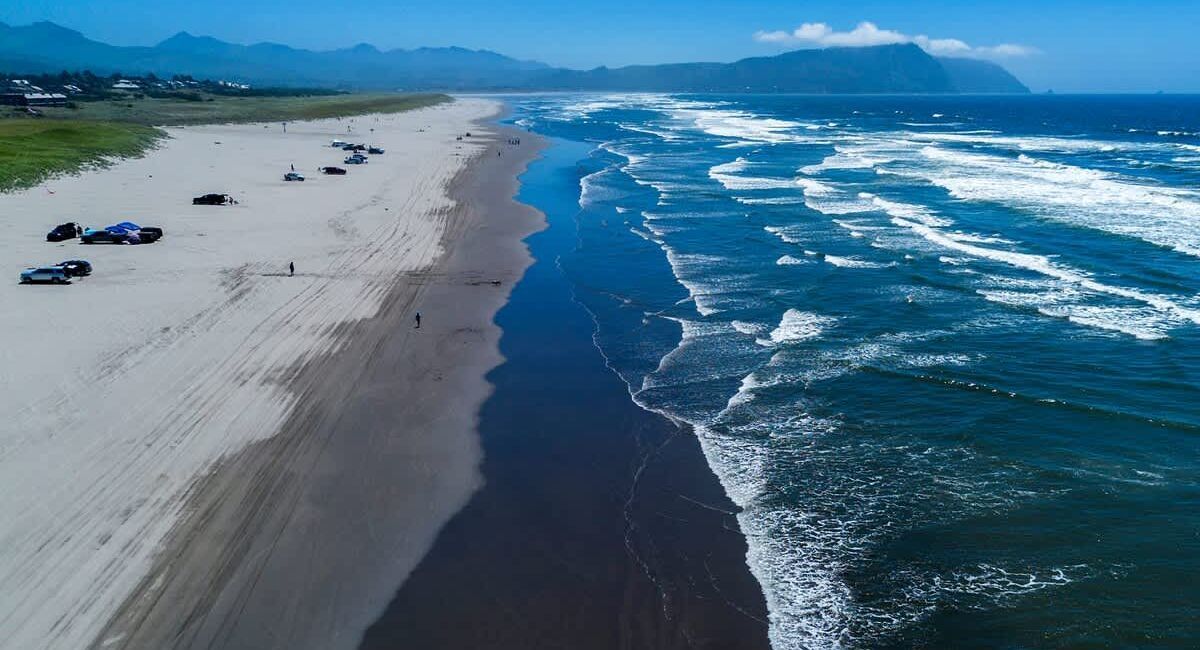
The condos sit on the quieter north end of the Clatsop Plains, a few minutes from Gearhart's eight miles of drivable beach and a short drive from everything mentioned in this guide:
- Cannon Beach and Ecola State Park: 20 minutes south
- Seaside and the Seaside Aquarium: 10 minutes south
- Astoria, Fort George Brewery, Flavel House: 20 minutes north
- Fort Stevens State Park: 15 minutes north
Every unit has a full kitchen, which matters in winter — cooking fresh Dungeness crab or warming up soup after a beach walk beats hunting for an open restaurant on a Tuesday night in January. The fireplace units are worth requesting, especially if storm watching from the couch is part of your plan.
Winter rates are lower than peak season, and availability is better. Check our
current deals and specials, then
book a winter stay at Gearhart by the Sea and see what the Oregon coast looks like when the crowds leave and the storms arrive.
About This Guide
This guide was written by the Gearhart by the Sea editorial team using information from Oregon State Parks (whale watching program and viewpoint data), NOAA Fisheries (gray whale population data), Oregon State University Sea Grant (whale watching viewpoints), the Oregon King Tides Project (king tide dates), the National Weather Service Portland office (weather averages and storm data), ODFW (shellfish regulations), and Travel Oregon (seasonal activity resources). Drive times were verified against current mapping data. Gearhart by the Sea is a vacation rental property in Gearhart, Oregon, and has no commercial relationship with any organization cited in this guide.
Frequently Asked Questions
Is it worth visiting the Oregon coast in winter?
Winter is one of the best times to visit the Oregon coast if you enjoy storm watching, whale watching, beachcombing, or simply having the beach to yourself. Rates are lower than summer, crowds are minimal, and the wildlife viewing — gray whales, bald eagles, harbor seals — is better than any other season. Pack rain gear and a sense of adventure.
What is storm watching on the Oregon coast?
Storm watching means viewing powerful Pacific winter storms from safe, elevated vantage points along the coast. Waves can reach 20–30 feet at exposed headlands during major storm events. Popular spots near Gearhart include Ecola State Park and the Seaside Promenade. The season runs December through February, with peak intensity in January and February.
When is whale watching season on the Oregon coast?
The winter gray whale migration runs mid-December through mid-January, when an estimated 16,000 to 20,000 whales pass the coast heading south to Baja California. Oregon State Parks organizes Whale Watch Week in late December with trained volunteers at viewpoints. A second spring migration runs late March through May. About 200 resident gray whales stay off the central coast year-round.
What should I pack for the Oregon coast in winter?
A waterproof rain jacket, waterproof boots, wool or synthetic base layers, a warm hat, gloves, and binoculars for whale watching. The coast averages 45–50°F in winter with frequent rain and wind. A thermos for hot drinks and a tide chart app are also useful. Skip the cotton — it gets cold when wet.
What are king tides on the Oregon coast?
King tides are the highest tides of the year, caused by the moon's closest approach to Earth combined with sun-moon gravitational alignment. They push seawater well above normal high-tide marks, creating dramatic wave action at jetties and headlands. The 2026–2027 king tide dates are November 23–27, December 22–26, and January 20–24.
What is there to do on the Oregon coast in December?
December brings the start of storm season, early gray whale migration, the first king tides (November 23–27 and December 22–26), holiday events in coastal towns like Cannon Beach and Seaside, and the opening of Dungeness crab season. It is the transition month when the coast shifts from fall calm to full winter drama.
Are Oregon coast vacation rentals cheaper in winter?
Yes. Winter rates on the north Oregon coast are noticeably lower than peak-season summer rates, and availability is better. Full-kitchen condos and fireplace units that book out months ahead in July and August are often available with shorter lead times in December through February. Gearhart by the Sea offers winter rates on all its properties.
Recent Posts