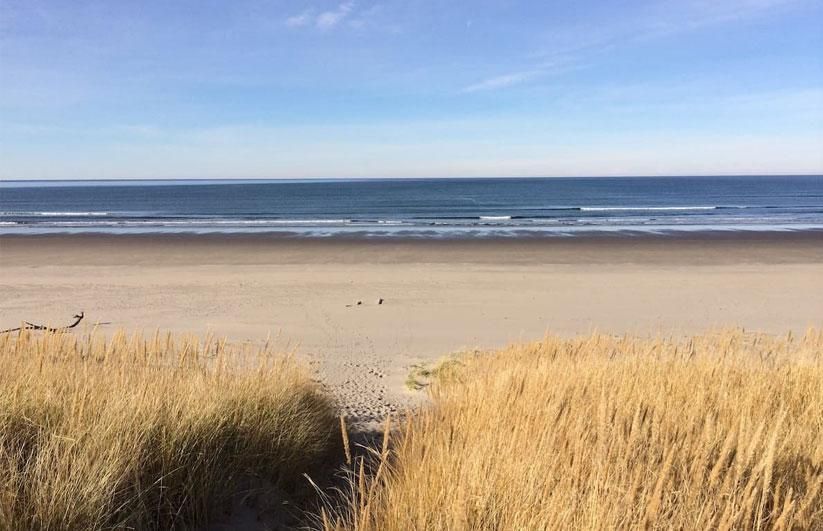
Whales are among the most remarkable ocean travelers on Earth, and the Oregon coast—including Gearhart by the Sea—sits directly along one of their most important migration routes. Each year, an estimated 14,500 gray whales pass within 2-5 miles of our shores, making Gearhart an exceptional location for witnessing this extraordinary natural phenomenon.
Whether you're planning a winter escape or a spring break adventure, this guide will help you time your whale watching visit perfectly and discover the best viewpoints and insider tips for seeing these magnificent creatures right from the Oregon coast.
When Do Gray Whales Migrate Past Gearhart?
Gray whale migration happens twice yearly: a southbound journey in winter and a northbound return in spring.
Winter Southbound Migration (December–January)
The southbound migration represents the longer journey. Gray whales begin departing their Arctic feeding grounds in late fall, and the migration peaks during winter months. Winter Whale Watch Week typically falls in late December, coordinated by Oregon State Parks and volunteers positioned at 15 coastal locations along the Oregon coast.
During winter, you'll see predominantly females and young whales, as they're the first to leave the Arctic to reach the warm breeding lagoons in Baja California.
Spring Northbound Migration (February–May)
The spring northbound migration is the season when Gearhart really shines for whale watching. Males and females without calves typically depart Baja around early February, creating a steady stream of sightings throughout March and April.
Spring Whale Watch Week 2026 runs March 21–29, bringing volunteer naturalists to 15 coastal locations. This is the ideal time to visit Gearhart by the Sea if whale watching is on your bucket list—calm spring weather, active migration, and expert volunteers ready to help you spot these ocean giants.
Nursing mothers with calves are the last to leave the breeding lagoons, extending the northbound migration through late May.
What About the Whales That Stay All Year?
Approximately 200 gray whales—known as "resident" whales—remain along the Oregon coast year-round. These residents spend their summers feeding in coastal waters and are present even during non-migration seasons.
Where to Spot Whales from Gearhart by the Sea
Gearhart Beach & Gearhart Point
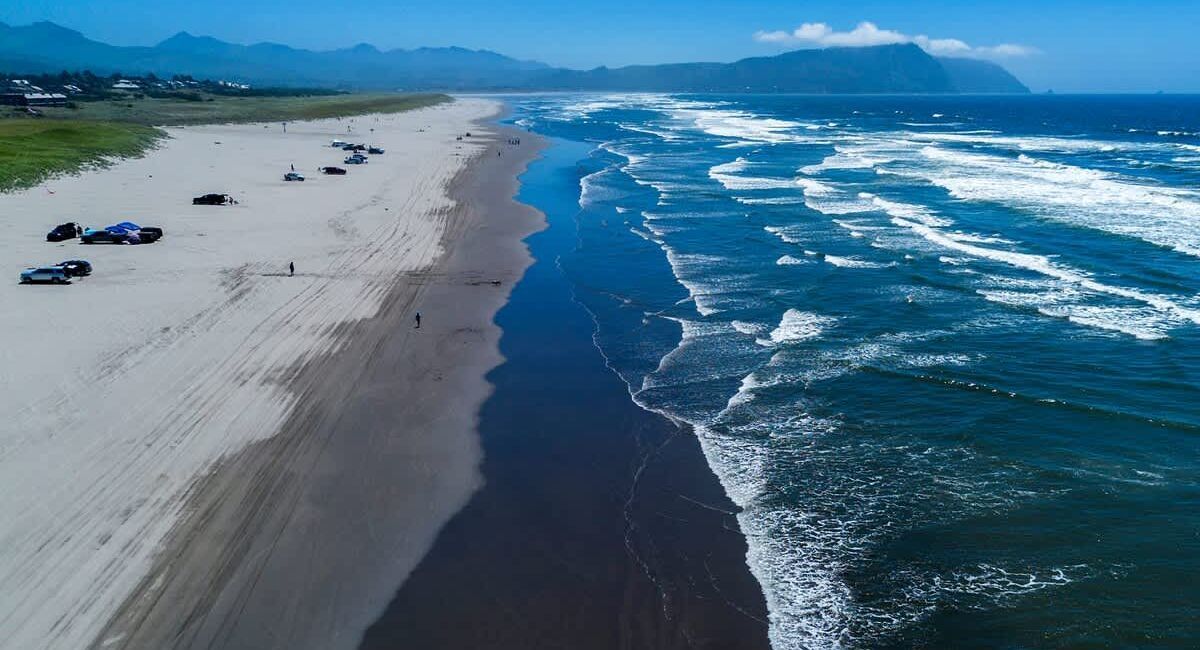
Gearhart Beach runs along our town's coastline and offers accessible whale watching directly from the sand. Gearhart Point, at the northern end of the beach, provides elevated views.
Cannon Beach Haystack Rock
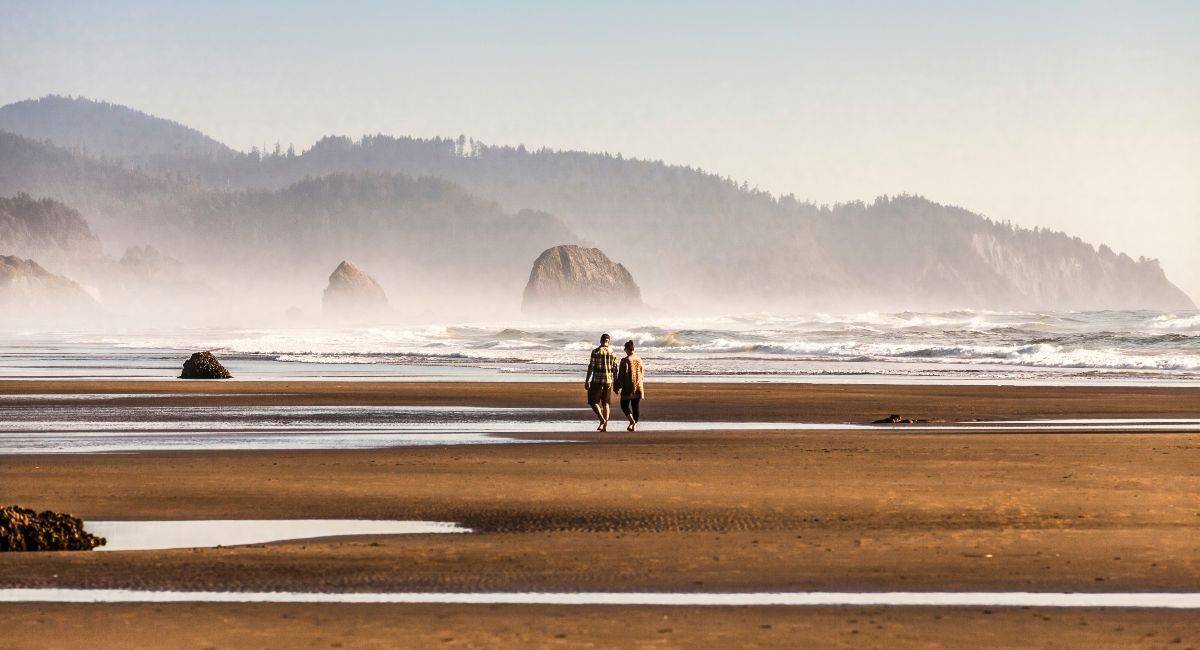
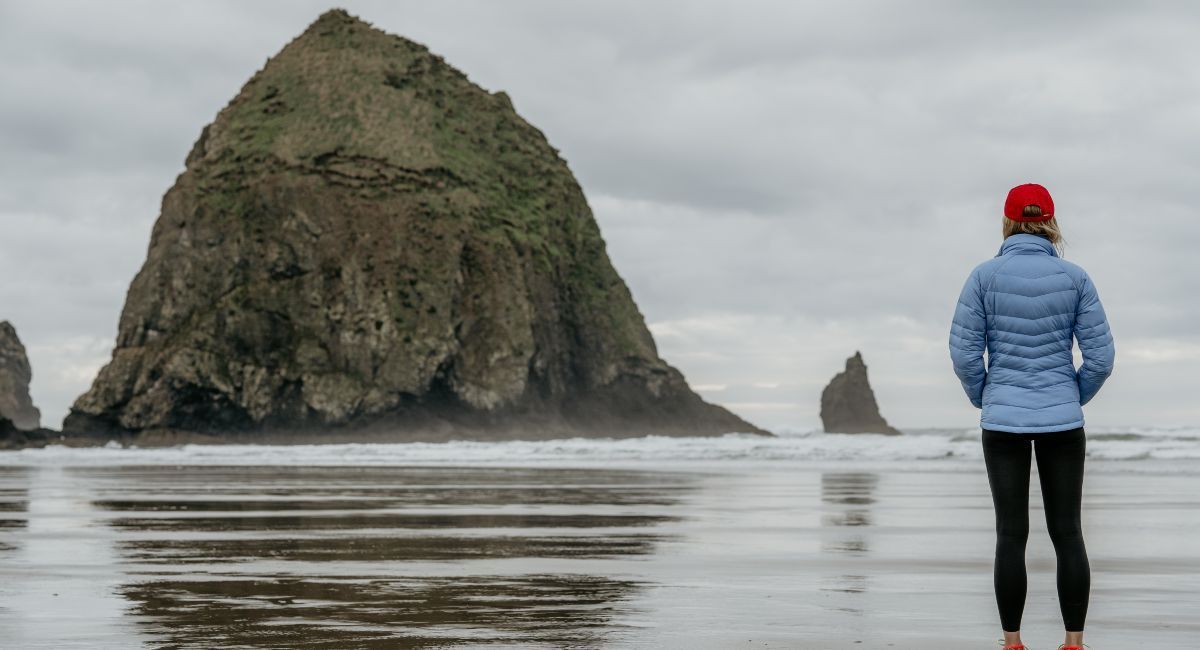
Just south of Gearhart, Haystack Rock at Cannon Beach is one of the most iconic whale watching vantage points on the entire Oregon coast.
Tillamook Head Trail Overlooks
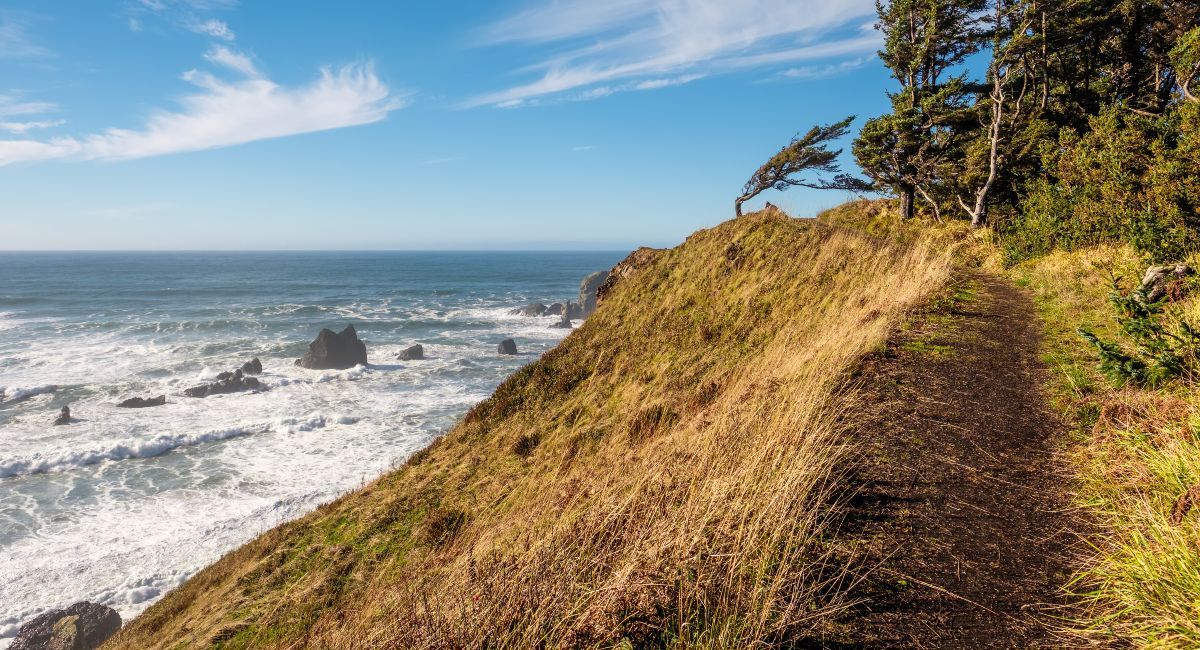
For a more adventurous experience, hike portions of the Tillamook Head Trail (accessible from Cannon Beach). Elevated coastal overlooks provide sweeping ocean views.
Seaside Beach & Turnaround Area
The Seaside turnaround and beach offer another excellent vantage point just minutes south of Gearhart by the Sea. The proximity to our vacation rentals means you can return to comfort between viewing sessions.
After a morning of whale watching, explore the other incredible activities available on the Oregon coast.
What to Bring for Whale Watching
- Binoculars: 7x50 or 10x50 are ideal
- Warm layers: Windproof jacket and sweater
- Sunscreen and hat: UV reflection off the water
- Patience: Plan for 1–2 hours minimum
- Camera with zoom lens
- Snacks and water
- Field guide: Local marine wildlife guide
Other Whale Species on the Oregon Coast
Humpback whales migrate past the Oregon coast during summer months (May–November).
Orcas appear occasionally, particularly in summer.
Blue whales are rare off Gearhart but do appear in deep waters during late summer feeding season.
Tips for the Best Whale Watching Experience
Go during peak migration windows: March–April offers the highest probability of sightings.
Visit during daylight hours: Plan for mid-morning through mid-afternoon.
Watch for signs: Spouts, dorsal fins, and flukes are the telltale signs.
Join guided experiences: Oregon State Parks' Whale Watching Spoken Here program stations trained volunteers at coastal locations during migration weeks.
Plan Your Whale Watching Stay at Gearhart by the Sea
The best way to maximize your whale watching adventure is to base yourself at Gearhart by the Sea. Our vacation rentals put you steps from prime viewing locations.
After whale watching, explore the Oregon coast's rich history, visit Fort Clatsop, or enjoy the seasonal attractions.
Our Gearhart travel guide has everything you need, and our pet-friendly vacation rentals welcome your whole family.
Spring Whale Watch Week 2026 runs March 21–29. Book your stay at Gearhart by the Sea today.