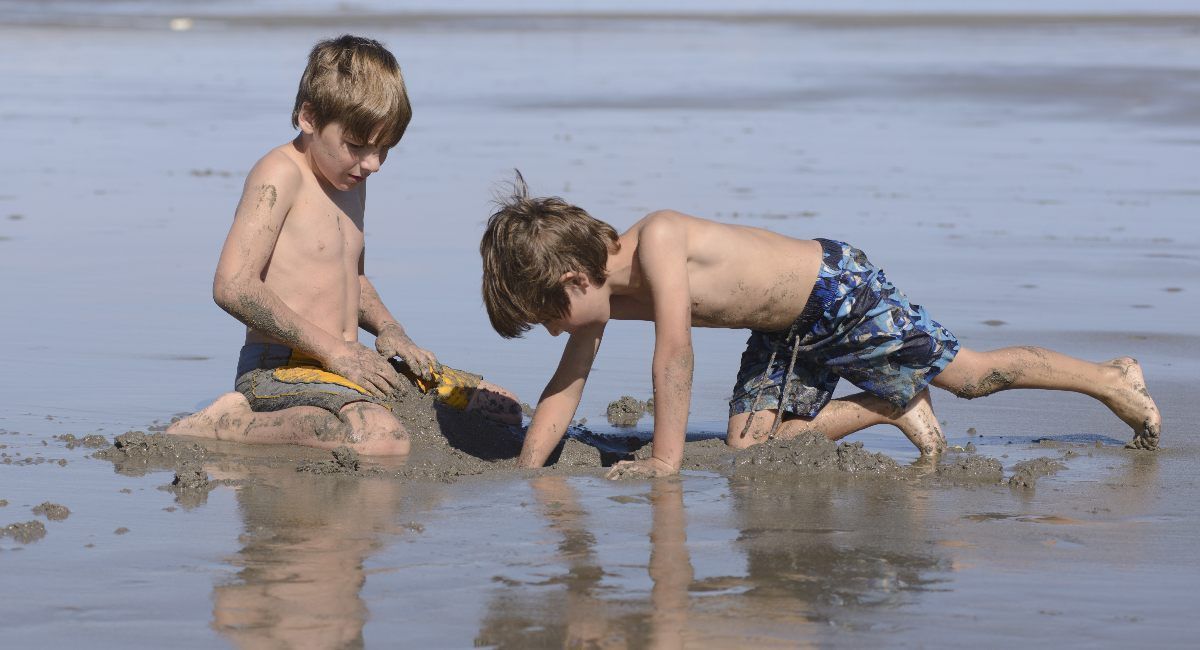
There's something magical about sinking a shovel into wet sand and uncovering a fresh clam beneath your feet. Clam digging in Oregon offers the perfect blend of outdoor adventure, coastal exploration, and a delicious reward at dinner time. Whether you're a seasoned digger or picking up a shovel for the first time, Oregon's productive beaches—especially around Gearhart—deliver an authentic Pacific Northwest experience that combines recreation with the chance to harvest your own meal.
This season brings positive outlooks for razor clam populations (averaging 1.47 clams per square meter, well above the 20-year average of 0.75), plus accessible bay clam opportunities across multiple coastal bays. This guide covers everything you need to know about
clam digging in Oregon, from current regulations and licensing to the best techniques and top spots to visit.
Key Takeaways
- Two clam types thrive in Oregon: razor clams (prized for their sweet meat) and bay clams (butter, littleneck, cockles, softshells, gapers)
- Current regulations: 20-clam daily limit for razor clams (max 12 gapers); must use hand tools; conservation closure July 15–Sept 30 north of Tillamook Head
- Licensing required: Ages 12+ need a shellfish license ($13 resident annual, $37.00 non-resident annual, $25 non-resident 3-day)
- Razor clams are open from the Washington border south to Cape Blanco; south of Cape Blanco is closed due to domoic acid concerns
- Best timing: Clam during low tide; always check ODFW weekly Recreation Reports and ODA biotoxin closures before heading out
- Gearhart advantage: Clatsop County beaches account for 95% of Oregon's razor clam harvest, making Gearhart by the Sea your ideal base for accessing prime digging grounds
When Is the Best Time to Go Clam Digging in Oregon?
Low tide is everything. Razor clams burrow in the sand below the waterline, so the lowest tides of the year expose the maximum digging area. Typically, the most productive windows fall during spring and fall when extreme low tides are most frequent. The 2026 outlook for razor clams is particularly strong, with populations well above historical averages.
Beyond tidal timing, Oregon's clam season runs year-round for most bay clams, though razor clams follow a different schedule. Razor clam harvests close south of Cape Blanco due to seasonal domoic acid (harmful algal bloom toxins), and a conservation closure runs July 15–September 30 north of Tillamook Head in Clatsop County to protect breeding populations. Always check the ODFW Recreation Report before each trip, as closures can change quickly based on biotoxin monitoring.
What Gear Do You Need to Go Clam Digging?
Successful clam digging requires simple but effective tools. For razor clams, a sharp clam gun (also called a tube digger) is the most efficient approach—it's a PVC or metal tube that you drive down around the clam's burrow and pull up with the clam inside. A flat shovel works for bay clams, which sit shallower in softer sediment. A mesh bag or bucket keeps your harvest contained and drains sand as you dig.
Additional essentials include:
- Waterproof gloves to protect against cold water and rough shells
- Boots with good traction (mud and wet sand can be slippery)
- A headlamp or flashlight if digging at dawn or dusk
- A clam knife for cleaning (save this for when you get home)
- Sunscreen and a hat, even on cool days—sand reflects UV rays strongly
Hand or hand-powered tools only—Oregon regulations prohibit motorized digging equipment. This preserves the clam beds and keeps the experience accessible to everyone. You can rent digging gear at local sporting goods shops in Gearhart and nearby Cannon Beach, or bring your own if you're a regular.
Where Are the Best Clam Digging Spots in Oregon?
Gearhart and Clatsop County beaches are the crown jewel of Oregon clamming. These northern coast beaches account for
95% of Oregon's razor clam harvest, making them the obvious choice if you want to maximize your chances of a full bucket.
Razor Clam Hot Spots:
- Gearhart Beach (right outside your doorstep if you're staying at Gearhart by the Sea) is consistently productive
- Clatsop Beaches extend south from the Washington border and remain open and harvestable
- The zone stays open from the Washington border south to Cape Blanco; areas south of Cape Blanco are closed seasonally due to biotoxin concerns
Bay Clam Destinations (butter clams, littlenecks, cockles, softshells, gapers):
- Netarts Bay and
Tillamook Bay offer excellent shallow-water clamming for families
- Siletz Bay, Yaquina Bay, and Coos Bay provide diverse bay clam opportunities further south
- Bay clams are often more forgiving for beginners because they don't require the precision timing of razor clams and can be harvested year-round
If you're based at Gearhart by the Sea, you have immediate access to the most productive clam grounds in the state. Our
pet-friendly vacation rentals and house rentals are perfectly positioned for early-morning clamming expeditions.
What Are the Current Clam Digging Regulations and License Requirements in Oregon?
License Requirements:
Anyone age 12 and older must have a shellfish license to dig clams in Oregon. Licenses are affordable and available through the Oregon Department of Fish & Wildlife (ODFW):
- Resident annual: $13
- Non-resident annual: $37.00
- Non-resident 3-day: $25
You can purchase licenses online, at sporting goods stores, or at ODFW offices. Many vacation rental properties have information on local license vendors.
Harvest Limits and Rules:
- Razor clams: 20-clam daily aggregate limit, with only 12 of those allowed to be gapers (clams whose siphons don't fully retract into the shell). You must take the first 12 gapers encountered before keeping any additional clams.
- Bay clams: Limits vary by species; check current ODFW guidelines for butter clams, littlenecks, and other bay varieties
- Tools: Hand or hand-powered tools only—no motorized equipment
- Conservation closure: July 15–September 30 north of Tillamook Head (Clatsop County) to protect breeding populations
Before each outing, consult the ODFW Recreation Report and check Oregon shellfish closure notices for biotoxin alerts. These change frequently and must be verified to ensure the area you plan to dig is open and safe.
How Do You Dig and Clean Clams Like a Pro?
Digging Technique:
For razor clams, timing and technique matter. Locate the clam's burrow—a small dimple or keyhole pattern in the sand. Position your clam gun directly over the burrow and push down smoothly while twisting slightly. Drive it deep enough to fully surround the clam (usually 12–18 inches). Pull straight up with steady pressure; as the clam siphon retracts, you may feel a slight "pop." If the clam gun comes up empty, the clam has escaped—move a few feet away and try another burrow.
Bay clams sit shallower and are easier: use a flat shovel to excavate a small hole around where you spot the shell, then sift through the sand with your fingers or a small rake.
Cleaning at Home:
Place your clams in cold salt water (approximately 1 tablespoon of salt per quart of clean water, or clean seawater) for a few hours to purge sand. Never use fresh water, as it will kill the clams. Scrub the shell under running water with a stiff brush. For razor clams, separate the meat from the shell and remove the dark digestive tract before cooking. Bay clams can often be steamed whole or chopped for chowder.
Why Choose Gearhart for Your Oregon Clam Digging Adventure?
Gearhart by the Sea combines world-class clam grounds with genuine coastal hospitality. You're not just renting a vacation property—you're positioning yourself at the epicenter of Oregon's most productive clam fishery. Step out your back door and onto beaches that yield 95% of the state's razor clam harvest.
After a morning of digging, relax at one of our activities or explore local dining options. Many restaurants nearby happily prepare your freshly harvested clams the same evening.
Check our
specials for seasonal packages, and explore our things to do on the Oregon Coast guide to build an itinerary around your clam digging adventure.