Razor Clamming in Gearhart: Complete Beginner's Guide
There's something uniquely magical about standing on an Oregon coast beach at low tide, watching the sand bubble and shift beneath your feet as you hunt for razor clams. Gearhart sits directly on some of the most productive clamming grounds in the Pacific Northwest—and the 2025-26 forecast is excellent, with populations 96% above the 20-year average. Whether you're a first-time digger or a seasoned forager looking to perfect your technique, razor clamming in Gearhart offers an unforgettable way to connect with the coast.
This guide covers everything you need to know to get started: what razor clams are, when and where to dig in Gearhart, what equipment you'll need, licensing requirements, and insider tips from the locals who know these beaches best.
Key Takeaways
- Gearhart is prime razor clamming territory: Located on Clatsop Beaches, which account for 95% of Oregon's razor clam harvest
- Season timing matters: Year-round harvest is open (except July 15–Sept 30 conservation closure north of Tillamook Head), but low tides determine your success
- You'll need a license: Oregon requires a shellfish license for ages 12+ ($13 resident annual, $37.00 non-resident annual)
- Daily limit is 20 clams: Only 12 may be gapers; you must harvest your first 12 gapers taken (no selective releasing)
- Hand tools and technique beat heavy equipment: A clam gun or tube works best; digging by hand is possible but harder
- Always verify closures before you go: Check ODFW Recreation Reports and biotoxin advisories weekly
What Are Razor Clams, and Why Dig Them in Gearhart?
Razor clams (Siliqua patula) are long, slender bivalves that live in the wet sand near the low-tide line on sandy beaches. They're prized by foragers along the Pacific Northwest coast for their tender, slightly sweet meat—perfect steamed, fried, or added to chowders and pasta dishes.
Gearhart sits on the Clatsop Beaches, an 18-mile stretch from Tillamook Head to the Columbia River bar that produces approximately 95% of Oregon's commercial and recreational razor clam harvest. This concentration isn't accidental: the beach composition, tidal patterns, and upwelling currents create ideal habitat for razor clams. The current population forecast is exceptionally strong at 1.47 clams per square meter, compared to the 20-year average of 0.75—meaning your chances of a successful dig are better than usual.
Beyond the harvest itself, razor clamming offers a full sensory experience. Early morning beach walks, the satisfaction of reading sand signatures, the thrill of a successful pull—it's outdoor recreation that connects you directly to where your food comes from.
When Can You Go Razor Clamming in Gearhart?
The short answer: almost year-round, but with important timing rules.
Open Season Overview
Razor clam harvest is open from the Washington border south through Gearhart to Cape Blanco (areas south of Cape Blanco are closed due to domoic acid toxin concerns). However, a conservation closure protects young clams from July 15 through September 30 north of Tillamook Head, which includes Gearhart. This means:
- Open seasons in Gearhart: October–July 14
- Closed season: July 15–September 30
Tides Are Everything
Unlike crabbing, which works during high tides, razor clamming depends on low tides. You need a minus tide—ideally 2 feet or lower—to expose the clams' habitat in the lower intertidal zone. Check tide tables for Gearhart or nearby Seaside:
- Best digging: 2 to 4 hours before and after the lowest tide
- Spring tides (which occur twice monthly around new and full moons) create the lowest tides and best digging conditions
- Even a 0.5-foot tide makes a significant difference in available digging area
Weekly Recreation Reports
Before you pack your gear, check the ODFW Recreation Report for current status. ODFW updates this weekly and may announce temporary closures due to biotoxin testing or other management reasons.
Where to Dig Razor Clams: Gearhart Beach Locations
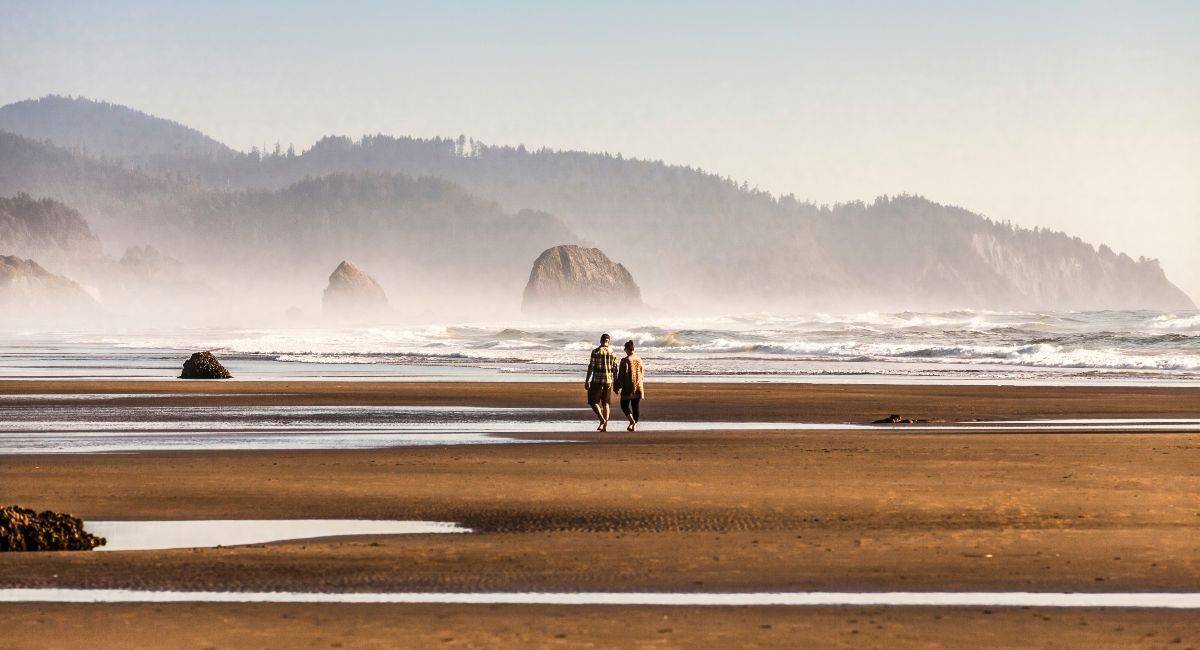
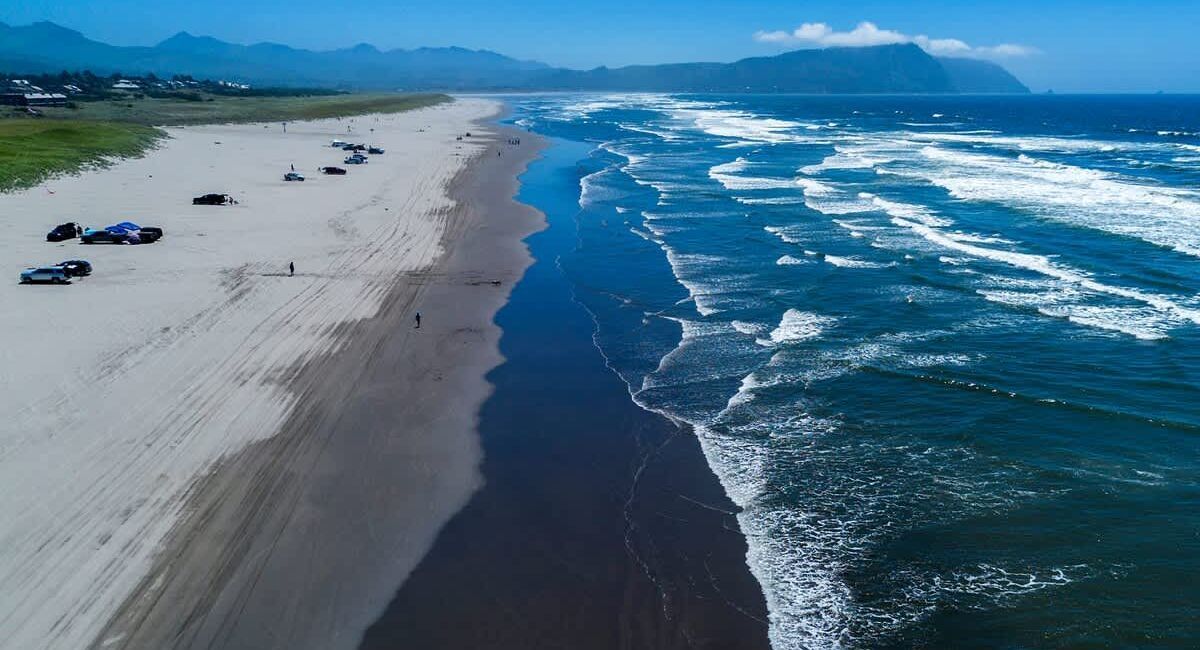
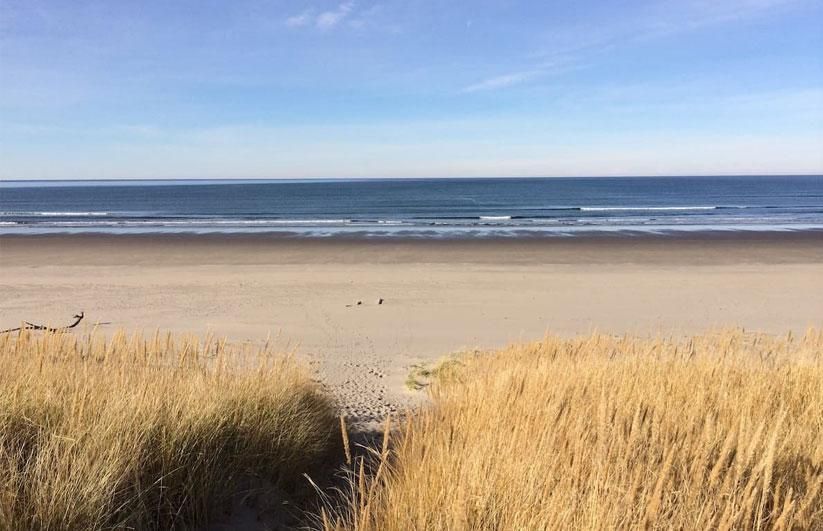
Gearhart's main beach runs north-south, with the most consistent razor clam populations in the lower intertidal zone during low tides. Here's what you need to know about accessing the clam beds:
Gearhart Beach Access Points
- Gearhart Public Beach: The primary access area, with wide, gently sloping sandy beach ideal for families and beginners
- Tides concentrate clams toward the water: During minus tides, clams are accessible in a band roughly 100–300 yards seaward from the wrack line (the high-tide debris zone)
- Beach walking: If you don't see clam signs immediately, walk north or south along the beach—populations can be patchy, but you'll usually find productive spots within a mile
Reading the Beach
Experienced diggers scan for three key signs:
- Dimples or "show": Small depressions in the sand where clams have retracted
- Bubbles: Razor clams breathe through siphons; moving sand may bubble slightly
- Raised areas: Sometimes clams create slight ridges or mounds
In rough conditions, signs may be harder to read. On good days, the beach practically advertises the clams.
What Gear Do You Need?
You don't need much, but the right tools make all the difference between frustration and success.
Essential Equipment
- Clam gun or clam tube ($20–$80): A 4- to 5-inch diameter tube, roughly 3 feet long, pushed vertically around the clam's position. As you pull up, the sand column (with clam) comes up with it. This is the most effective method and recommended by ODFW.
- Bucket or mesh bag: For carrying your harvest. Mesh allows sand to drain; keep clams cool and moist during the dig.
- Shellfish license (required): Proof of your $13–$37.00 license (see Licensing section below)
- Tide table or smartphone app: Low tides are everything. Download a tide app or print tables for Gearhart/Seaside.
- Sturdy boots or water shoes: The beach is cold and rocky in places.
Optional but Helpful
- Hand shovel: For moving sand or as a backup if a clam tube isn't available
- Headlamp: Early morning and evening low tides often occur in dim light
- Thermos of coffee: Because early low tides are early.
- Backpack with dry clothes: Weather on the Oregon coast changes fast
Pet-Friendly Tip
If you're bringing dogs, leash them during digging to keep them from disturbing the sand and contaminating your harvest. Gearhart's pet-friendly vacation rentals make it easy to base your trip locally; your four-legged friend can rest comfortably between beach sessions.
Licensing Requirements and Regulations

Oregon requires a shellfish license for razor clamming—and there's no exemption for residents digging on Oregon beaches, even recreationally.
License Types and Costs
| License Type | Cost | Duration | Best For |
|---|---|---|---|
| Annual resident | $13 | 12 months | Oregon residents planning multiple trips |
| Annual non-resident | $37 | 12 months | Visitors staying longer or returning |
| 3-day non-resident | $25 | 3 consecutive days | Short trips |
| Youth (ages 12-17) | Reduced rates vary | 12 months | Check ODFW for current youth pricing |
How to Get a License
Purchase licenses online at myodfw.com or at local sporting goods stores and tackle shops. You'll receive a digital or printed proof of license to carry with you. No license, no legal harvest—ODFW enforces strictly.
Harvest Rules
- Daily limit: 20 clams in aggregate
- Gaper limit: Only 12 may be gapers (clams whose siphons don't fully retract into the shell). You must harvest your first 12 gapers taken—no sorting, culling, or releasing.
- Method: Hand or hand-powered tools only (no powered equipment)
- Take-home: Only whole clams; no clam meat separated from shells in the field
- Biotoxin restrictions: Do not harvest during active biotoxin closures. Check Oregon Department of Agriculture biotoxin closures before digging.
Step-by-Step: How to Dig Razor Clams
Before You Head Out
- Check the ODFW Recreation Report for current status and any closures.
- Check tide tables and identify a minus tide window.
- Check Oregon biotoxin closures.
- Bring your shellfish license.
On the Beach
- Locate clam signs: Walk the lower intertidal zone looking for dimples, bubbles, or sand disturbance.
- Position your clam gun: Place it vertically over the clam's location, aligned with the apparent center.
- Push down firmly: Use your full body weight to drive the tube 12–18 inches into the sand, twisting slightly as you go.
- Pull straight up: Extract the tube with one smooth motion. The sand column (and clam) should come up inside the tube.
- Locate the clam: The razor clam will be inside the sand core, usually 6–12 inches down. Gently probe with your hand or a stick.
- Remove the clam: Carefully pull the clam free and place it in your bucket.
- Keep digging: Repeat until you've reached your limit (20 clams) or low tide passes.
After the Harvest
- Keep clams moist and cool. Don't let them dry out.
- Refrigerate as soon as you're off the beach. They'll keep 2–3 days in the fridge.
- Before cooking, soak clams in clean seawater or salt water (1 tablespoon salt per gallon) for a few hours to purge sand. Discard any that don't close.
Local Tips for Success in Gearhart
Time Your Trip
The best digs happen during spring tides (lowest tides of the month), which occur twice monthly around the new and full moon. Plan your vacation rental stay to overlap a spring tide low tide window, and you'll dramatically increase your odds.
Go Early
Minus tides in Gearhart during productive season often occur at dawn or dusk. Many local diggers wake early; arriving before sunrise gives you first pick of the freshest clam beds. Gearhart's quiet, small-town vibe makes early mornings especially peaceful.
Bring Backup Gear
Even an experienced digger's clam tube can get stuck or bent. A hand shovel or spare tube prevents a ruined trip. Sand conditions vary day to day; having options helps.
Bundle Up
October through July means cold mornings and wind. Layering and a wind-breaking jacket are non-negotiable. The Oregon coast is beautiful and harsh in equal measure.
Connect with Locals
Stop by a local bait and tackle shop (Seaside and Cannon Beach have several) and ask about current conditions and popular spots. Locals are usually generous with tips, and current intel is worth its weight in clams.
Make It a Full Adventure
Combine your razor clamming with other things to do on the Oregon Coast. Explore nearby Seaside attractions, walk the historic Gearhart promenade, or relax at one of the area's excellent restaurants. A Gearhart vacation rental gives you a comfortable base for a full coastal getaway, not just a beach day.
Start Your Razor Clamming Adventure in Gearhart
Razor clamming in Gearhart isn't just about the harvest—it's about stepping into a tradition that's been part of the Oregon coast for generations. Whether you're visiting for a weekend or planning a longer stay, Gearhart offers everything you need: prime clamming beaches, a relaxed coastal atmosphere, and comfortable vacation rentals within steps of the sand.
Check the tides, grab your license, pack your tube, and head to the beach. The clams are waiting, the forecast is strong, and the Gearhart coast is calling.
Ready to book your clamming adventure? Browse Gearhart accommodations and start planning your trip today. Questions about the area? Check out our Gearhart travel guide for more insider tips and seasonal specials to make your stay even better.
Frequently Asked Questions
What's the difference between a gaper and a normal razor clam?
A gaper is a razor clam whose siphon (neck) is too large to fully retract into the shell, leaving a visible gap or "gape." This is an anatomical characteristic, not damage from predation or harvesting. Gapers are perfectly edible but more fragile and prone to sand contamination. Oregon law limits gapers to 12 per day and requires you to harvest your first 12 gapers taken, preventing selective discarding. If you're selective about quality, focus on whole clams, but gapers are fair game and delicious when properly cleaned.
Can I dig razor clams year-round in Gearhart?
Almost. Gearhart is open year-round except for the conservation closure from July 15 through September 30 north of Tillamook Head (which includes Gearhart). This closure protects juvenile clams during their most vulnerable growth phase. Outside those dates, you can dig any time there's a minus tide—but always check the ODFW Recreation Report first for temporary closures.
Do I need a separate license for each person in my group?
Yes. Each person digging (ages 12+) must have their own valid shellfish license. Children under 12 do not need a license but must stay with a licensed adult. Make sure everyone in your group has their proof of license on them—ODFW officers conduct beach checks.
What do you do with razor clams after harvest?
Razor clams are versatile and delicious. Steam them whole, fry them battered, add them to chowders, pasta, or risotto. The meat is tender and slightly sweet. Before cooking, soak harvested clams in salted water for a few hours to help them purge sand. Discard any that don't close or smell off. Properly stored in the refrigerator, they'll keep 2–3 days; you can also freeze them for up to 3 months.
Is razor clamming safe during biotoxin season?
Domoic acid (a biotoxin produced by harmful algal blooms) can accumulate in razor clams. Oregon's Department of Agriculture regularly tests clams and issues public closures when toxin levels are unsafe. Always check the biotoxin closure map before harvesting. If an area is closed, do not harvest, even if clams are abundant. Domoic acid cannot be removed by cooking and can cause serious illness.
What's the actual population forecast for razor clams in Gearhart right now?
The current forecast (2025–26 season) is excellent. Shellfish biologist Matt Hunter reports populations at 1.47 clams per square meter on Clatsop Beaches—about 96% above the 20-year average of 0.75. This means more clams per square foot and a better chance of finding productive areas quickly, especially for beginners.
Recent Posts